

ARTICLE SERIES · Part 1 · A personal introduction
“Then I can do it” – Nearly twenty years in the changing world of web development
From a photo gallery to a career: Thomas Peter Kemendi on nearly 20 years of web development, changing tools and lasting client relationships.
In this article
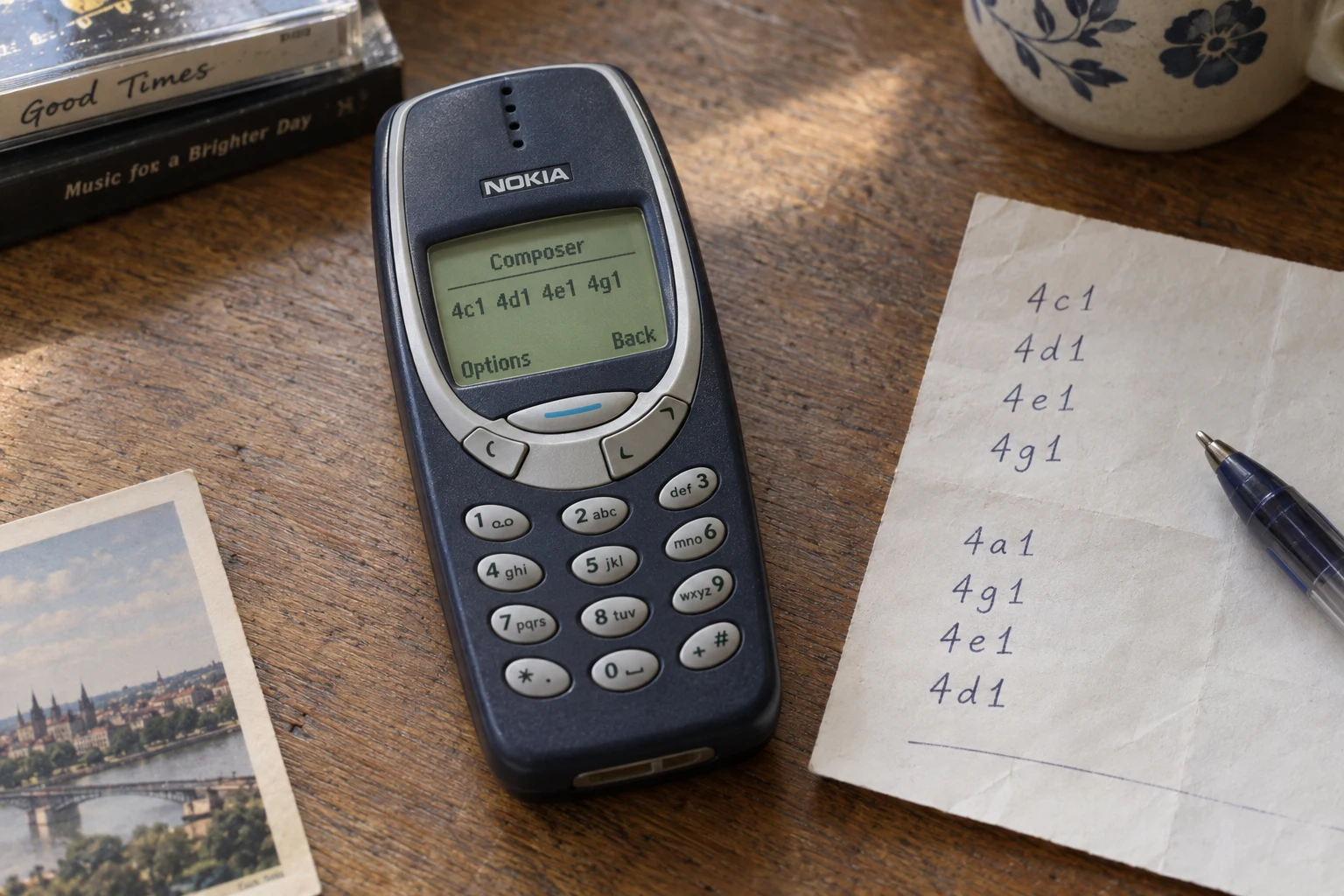
Computers interested me long before I built my first website. At twelve, I copied ringtones from one phone to others: I learnt to read the codes and key them in so that the same tune would play on another handset. In my own way, it already felt like programming. Later I tinkered with computers, reinstalled Windows, and took machines apart and put them back together. At first, I thought I might go into systems administration.
A website for our friends
I found my way into the web rather differently. At sixteen, I often went out with my friends, usually in a large group, and we took plenty of photographs. We wanted somewhere everyone could look at them, so I began building my first website.
This was around the time of Microsoft FrontPage, Expression Web and Adobe Dreamweaver. I uploaded the photographs one by one and made a separate link to each. It sounds rather laborious now, but back then it was simply part of having our own site. Along the way, I became increasingly interested in how it all worked. I enjoyed spending time on it, even when something took several attempts.
“Oh, in that case I can.”
When I was nineteen, someone I knew told me he wanted a website for his business and was looking for someone to build it. He asked whether I knew how, or could recommend anybody. He could pay around fifty thousand Hungarian forints. My immediate answer was: “Oh, in that case I can.”
That still makes me smile. I had already tried my hand at websites, but building one for a business was rather different from uploading our friends’ photographs. The enthusiasm was there; the knowledge I lacked would have to come along the way.
The first difficulties soon arrived. I had to choose hosting, register a domain — we still did that on paper then — and agree on what the website should actually be. I learnt all of this alongside the website building itself: reading up, trying things and fixing what had not worked. Now someone else was waiting for the result, and I wanted to do a good job.
When everything used to move
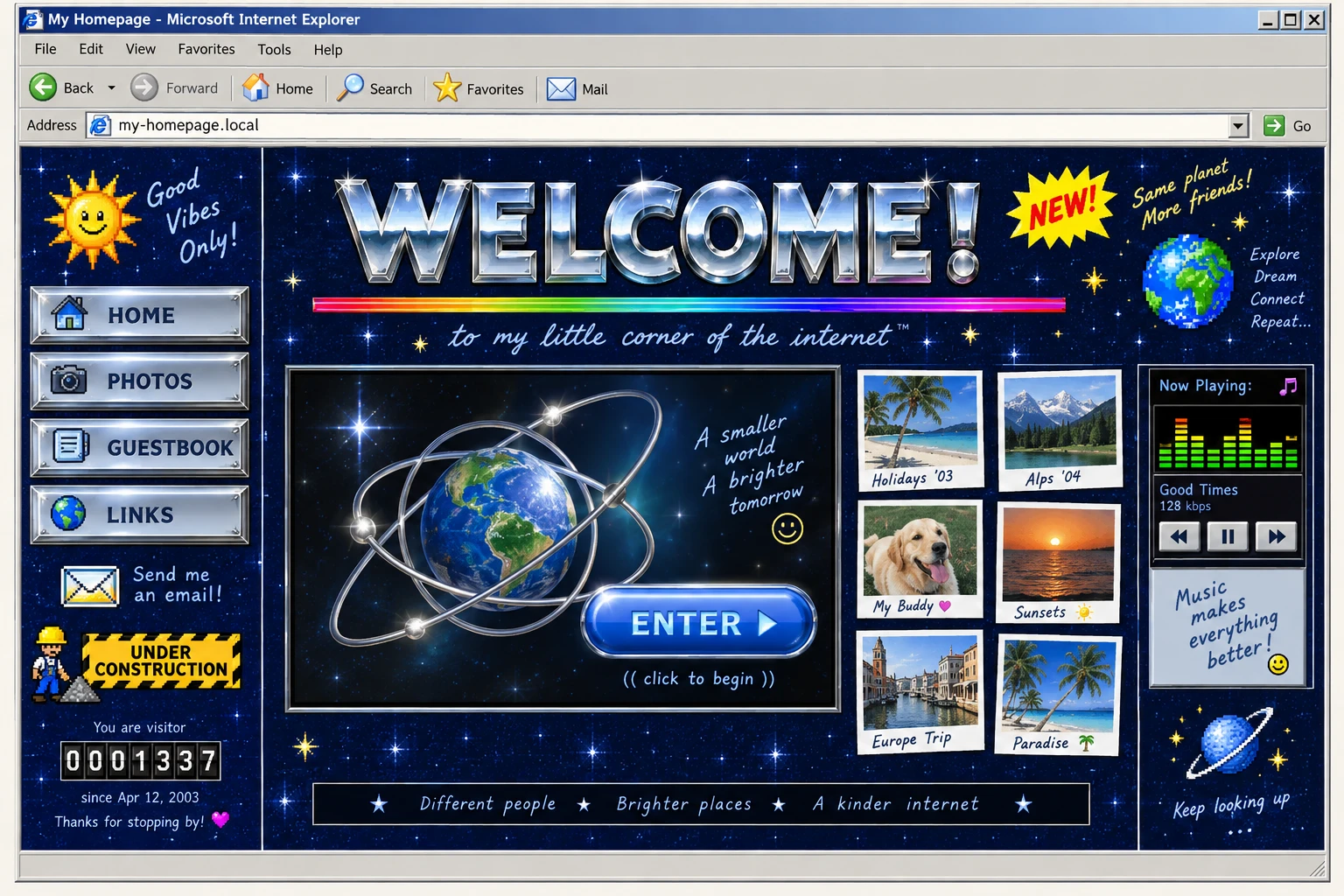
The web had quite a different feel then. Strong colours, moving text and Flash animations filled the pages, sometimes with music playing in the background. We enjoyed finding out what the tools could do. A well-executed visual effect could be exciting in its own right.
Over time, it became more important for visitors to find things quickly, avoid waiting for pages to load and use websites comfortably on their phones. Owners wanted to edit their own content, and sites built around Joomla and WordPress became a larger part of my work.
Online shops, booking systems and custom business software followed. These meant thinking through permissions, data connections and entire processes. A lost order or an incorrect booking has real consequences, so I also had to understand more about how my clients worked.
A booking interface might look like a few fields and a calendar. Behind it, though, someone has to decide what happens if two people choose the same slot, a payment fails, or a customer wants to make a change later. These questions reveal how thoroughly a system has been thought through. Even when an interface looks simple, the system behind it still needs careful planning.
I had to keep learning too
As the web changed, there were always more tools to learn. Several times, we heard that developers would soon be unnecessary: first templates, then visual page builders promised that anyone could create their own website. Many tasks genuinely became easier, while clients brought us increasingly complex requirements.
They needed systems connected, processes tailored to their businesses, or software extended after they had outgrown it. That meant learning new tools and sometimes leaving familiar ones behind. Being a beginner again was not always comfortable, but the experience was still useful: it was easier to recognise which questions to ask and where problems might appear later.
Today, I consider future maintenance and development when choosing a technology. A proven solution is often worth more than a new one that few developers will be able to maintain. The code and the reasoning behind important decisions should still make sense years later, so that another developer can take over if needed.
Testing, security and backups cannot wait until the day before handover either. Planning includes deciding who can access data, how to check important processes and how to restore the system if something goes wrong. Ideally, the client sees little of this work, but their day-to-day operations depend on it too.
What has always mattered to me
I have always tried to be honest with my clients. If I could see a better way to approach a request, I said so, even when simply building what had been asked for would have been easier. I would find it difficult to work on something I did not believe would genuinely help.
That means understanding what is needed first. The client knows their business; I contribute what I have learnt in development. Sometimes a new feature helps, while at other times an existing process needs simplifying first. I like to think that through together before we begin.
I treat every project as though it were my own. I want it to work, make life easier for the client and leave us something we can build on later. Sometimes that means proposing a smaller first version: build what is needed now properly, then decide what comes next based on actual use. That reduces the chance of spending time and money on something nobody ends up using.
The clients I have known for years
I have clients I have worked with for seven, eight and even ten years, and I am particularly proud of that. A great deal changes over that time, in a business and in people’s lives. There have been difficult periods of transition when we supported each other. Those years mean a lot to me personally as well.
With a longstanding client, we do not have to start from the beginning each time. I know their system and the reasons behind earlier decisions. They know I will speak up if I disagree. It feels good to approach the next piece of work that way, and to see what we built together remain part of the business.
Another change ahead
One line has stayed with me for a long time: “Everything is possible. The impossible just takes longer.” That attitude has often helped me in my work and in life. I enjoy finding out how something can be done, even when I cannot yet see the way to get there.
AI has now brought new possibilities, along with new questions. I use it in my work, but I also understand people who are tired of constantly having to learn. Even after almost twenty years, I know the feeling of a new tool making us reconsider something we had felt sure of.
In the next part, I want to explore how we find our place in this change. What is the knowledge we already have worth, and how can we make AI helpful even when our first reaction is uncertainty?
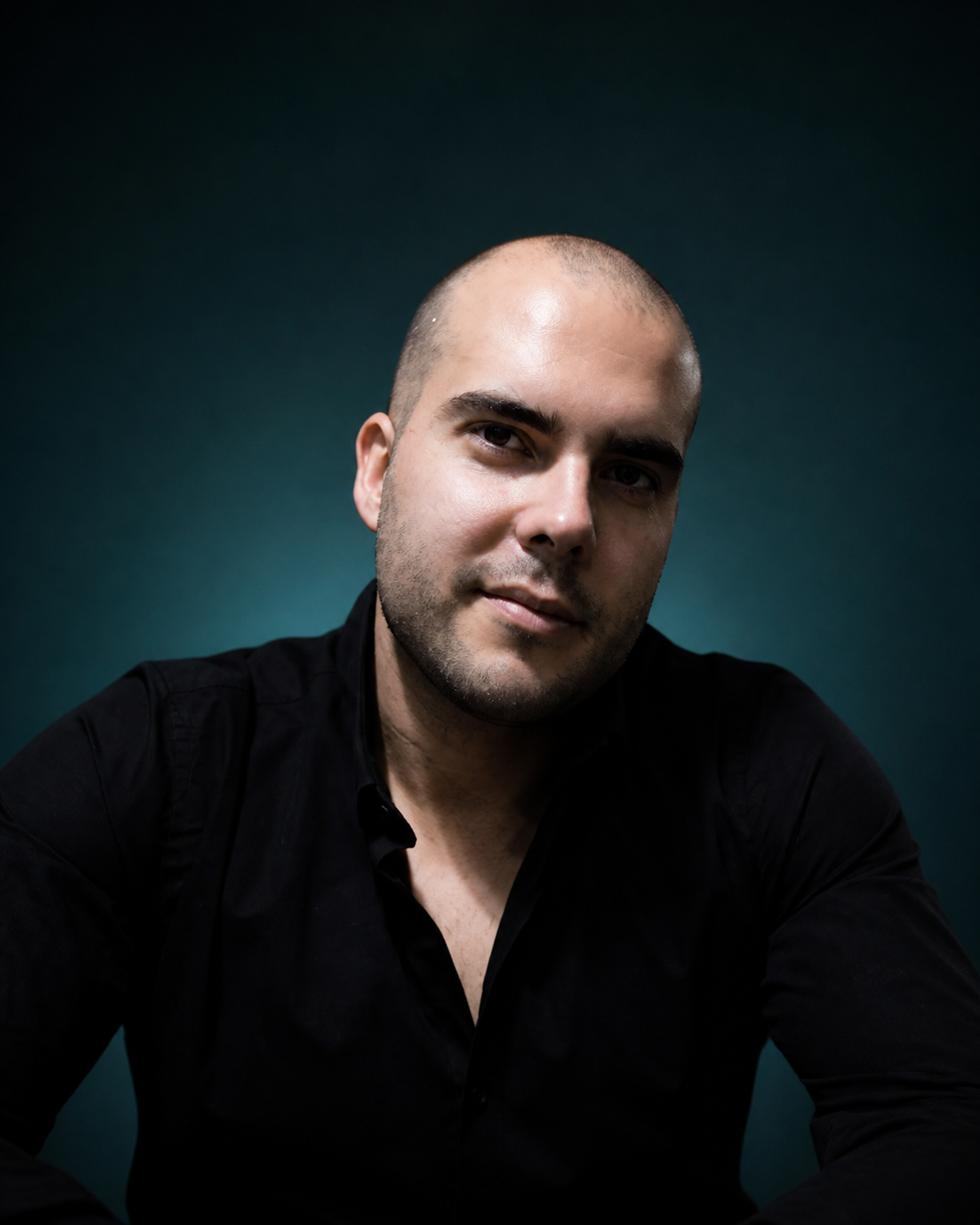
Thomas Peter Kemendi
I have worked with websites and digital systems for almost twenty years. These articles explore the perspective I have developed along the way, the reasoning behind engineering decisions and what technological change has taught me.
About meComing next · Part 2
Do we have to learn everything again?
AI and the fatigue of constant change. Why adapting again can be difficult, how the value of our experience is changing, and what we can make of the opportunity even when enthusiasm is not our first reaction.
Read the articleAll articles